

TWO PART WEBINAR SERIES
ACL REHAB STARTS IN THE OR
How Graft Selection Changes Your Rehab Approach
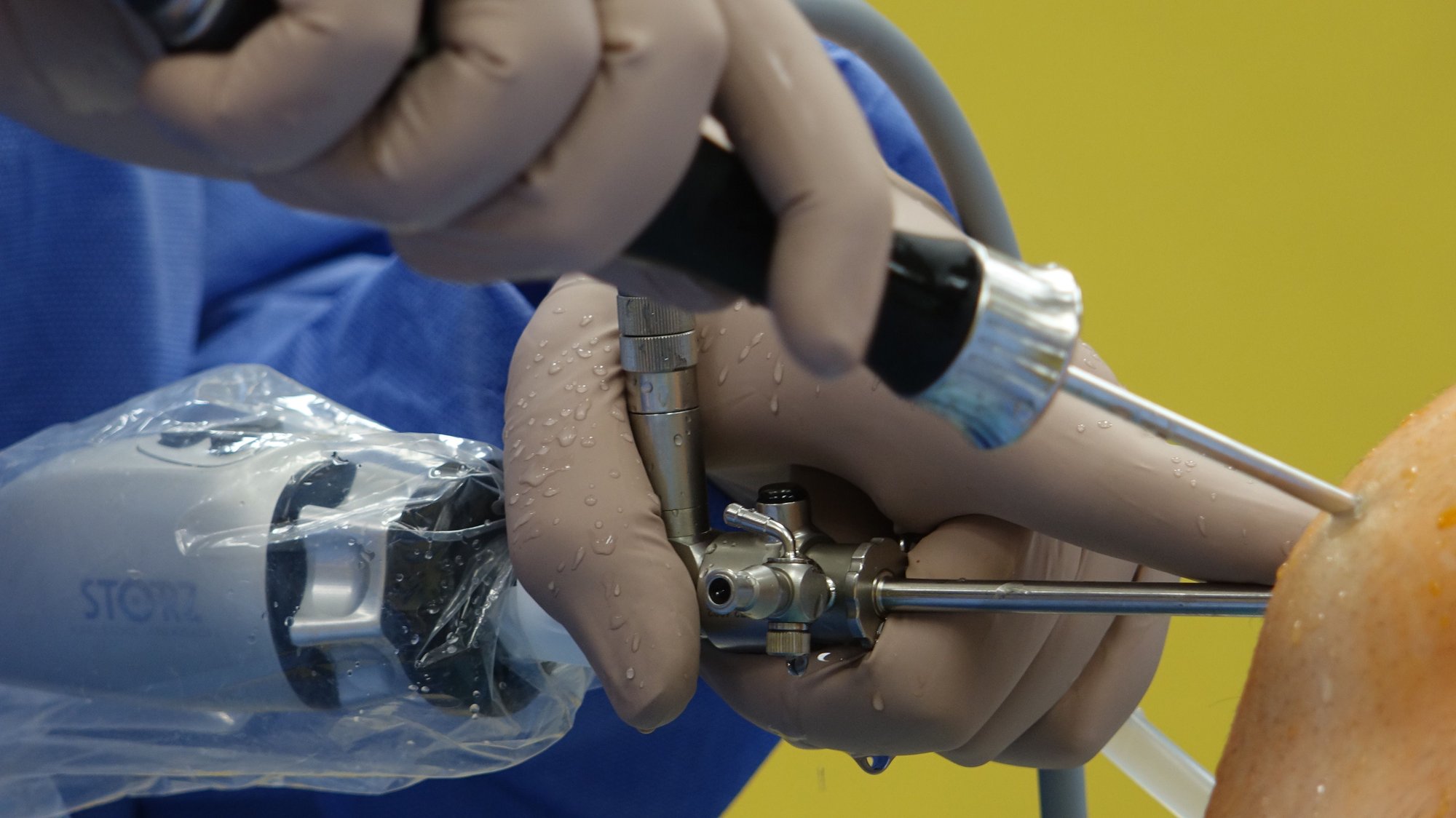
See what happens before your ACL patient gets to you and why it matters once they are in your care.
Join Kevin Wilk, PT, DPT, FAPTA*, for a two part series that takes you inside the surgical decisions rehab professionals do not always get to see and connects them to the challenges you manage in the clinic.
From graft selection and healing timelines to quad activation, movement compensation and return to sport, Kevin goes beyond the protocol to help you understand what may be influencing the ACL patient in front of you.
➡️ One registration gives you access to both sessions.
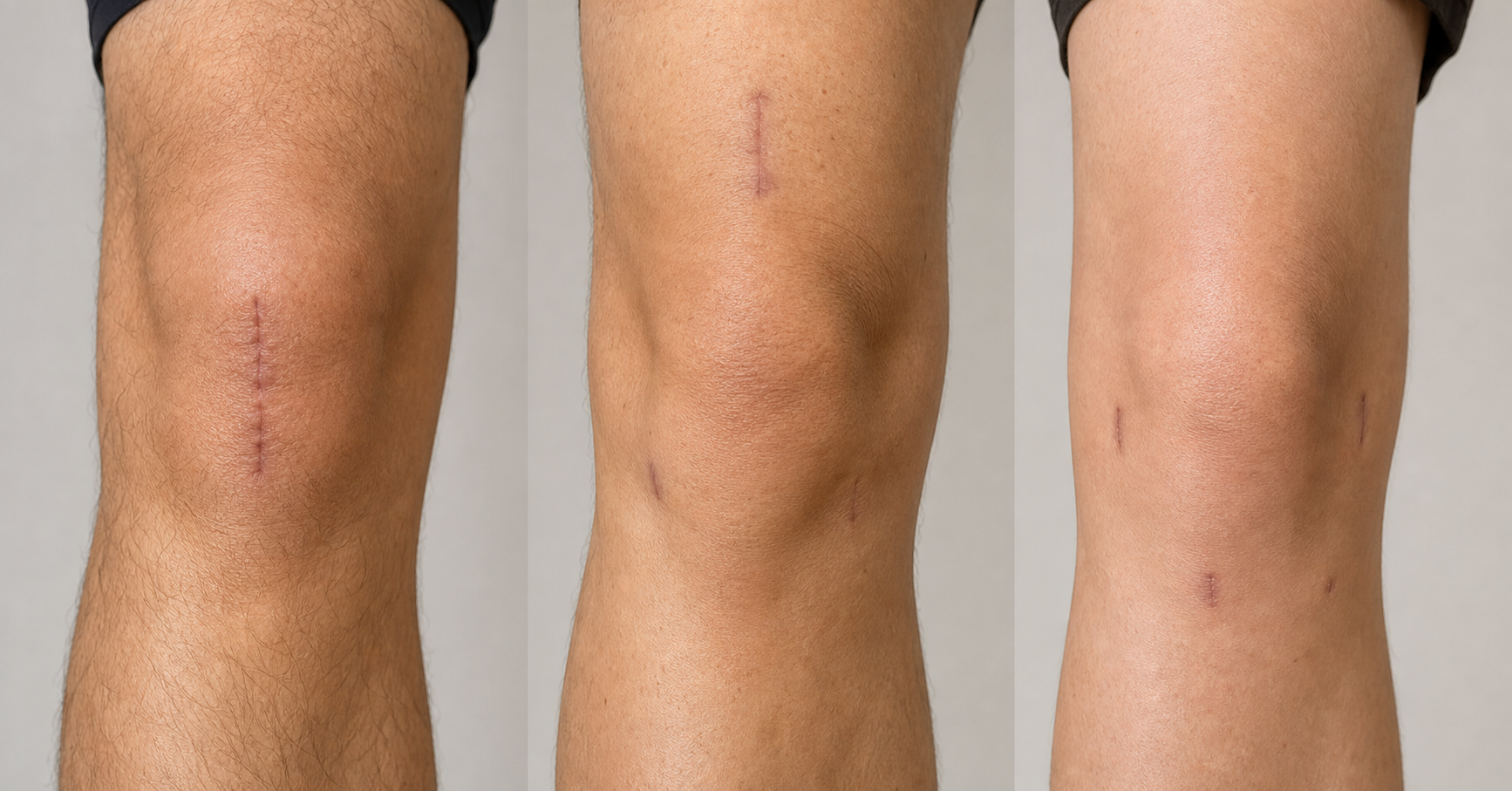
Not all ACL reconstructions are the same. The rehab shouldn't be either.
Your patient walks into your clinic after ACL reconstruction.
You know the diagnosis. You may have the protocol.
But do you know exactly what happened before they got to you and how it could affect what you do next?
Patellar tendon. Quad tendon. Hamstring. Allograft.
Each comes with different considerations for healing, strength, range of motion, and progression.
Kevin walks through actual surgical footage and real patient examples to show what happens during ACL reconstruction and why those details matter once the patient reaches rehab.
Two sessions. One registration.
PART 1: THE GRAFT CHANGES THE REHAB
Thursday, November 5, 2026 | 12 PM & 3 PM EST
The surgical decisions are made before your patient arrives. But their implications can follow them throughout rehabilitation.
Kevin explores:
- How patellar tendon, quadriceps tendon, hamstring, and allograft options differ
- What graft harvesting and fixation mean for healing considerations
- Why quadriceps activation, pain, and restoring motion can present different challenges
- How surgical timing and associated injuries influence the rehabilitation picture
- What surgical footage reveals about the procedures behind your patient's diagnosis
The takeaway: Better understand the surgical variables that may influence the rehabilitation challenges you encounter.
PART 2: WHAT HAPPENS AFTER THE GRAFT IS PLACED?
Thursday, November 19, 2026 | 12 PM & 3 PM EST
Your patient may be gaining strength and function. But what is happening to the graft as rehabilitation progresses?
Kevin explores:
- When an ACL graft may be at its weakest and how it changes over time
- What ligamentization and graft maturation mean for understanding healing timelines
- BEAR repair and other evolving surgical approaches
- Why rehabilitation progression and return to sport require more than watching the calendar
- How Kevin thinks about strength, movement quality, and functional readiness
The takeaway: Gain a deeper understanding of the biological and functional considerations that inform rehabilitation progression.
➡️ Register once. Get access to both sessions.
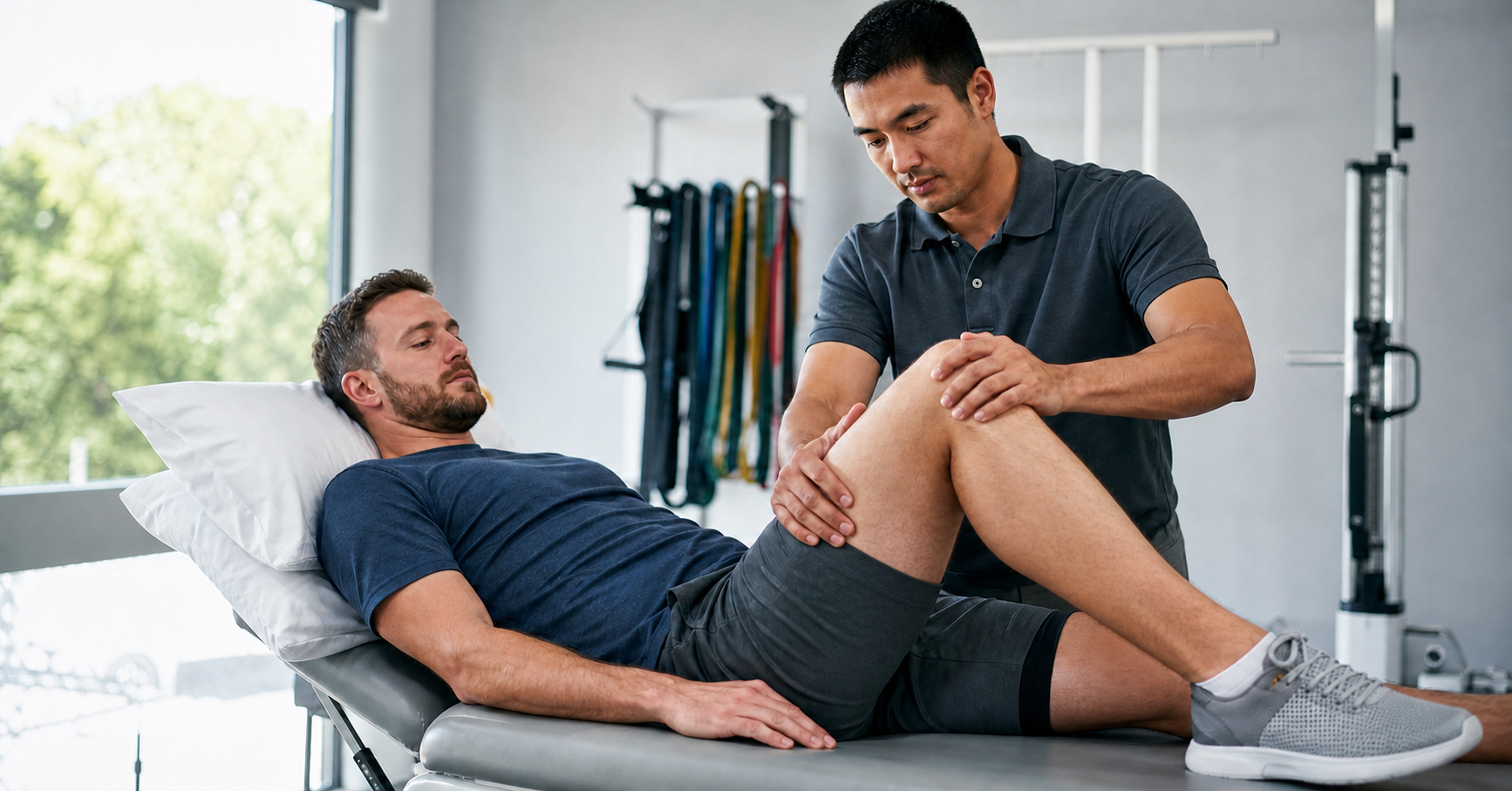
You'll explore:
✅How graft choice can change the rehab picture
See why patellar tendon, quad tendon, and hamstring grafts can present differently and what Kevin watches for with each.
✅When the graft may actually be most vulnerable
Follow the healing and ligamentization process and see why how a patient looks or feels does not necessarily tell you what is happening with the graft.
✅Why getting the quad back matters so much
Kevin shares why quadriceps strength consistently correlates with function and what he does when a patient struggles to activate early.
✅How strong athletes can hide deficits
Learn what Kevin looks for when athletes compensate during jumping, landing, and other higher level movement.
✅Why nine months isn't magic
Return to sport should not be determined by the calendar alone. See how Kevin uses continued progression, testing, and reactive challenges to determine whether an athlete is actually ready.
✅Why ACL rehab isn't only about the knee
Explore neuroplasticity, neurocognitive training, and why restoring automatic movement may matter when preparing an athlete for unpredictable sport environments.
✅Where technology can fit into the bigger rehabilitation picture
Hear how Kevin thinks about the tools available to today's rehabilitation professional, including high-intensity laser therapy, shockwave, NMES, biofeedback, and BFR, as part of a broader strategy for addressing the challenges clinicians encounter as patients work toward restoring strength, movement, and function.
See what your patient experienced before they got to you.
Kevin shares surgical footage and explains procedures many rehabilitation professionals rarely get the opportunity to see firsthand, from graft harvesting and fixation to Lateral Extra-Articular Tenodesis (LET) procedures and tibial slope correction.
Understanding what happened in the OR can give you better context for what you are seeing in the clinic.
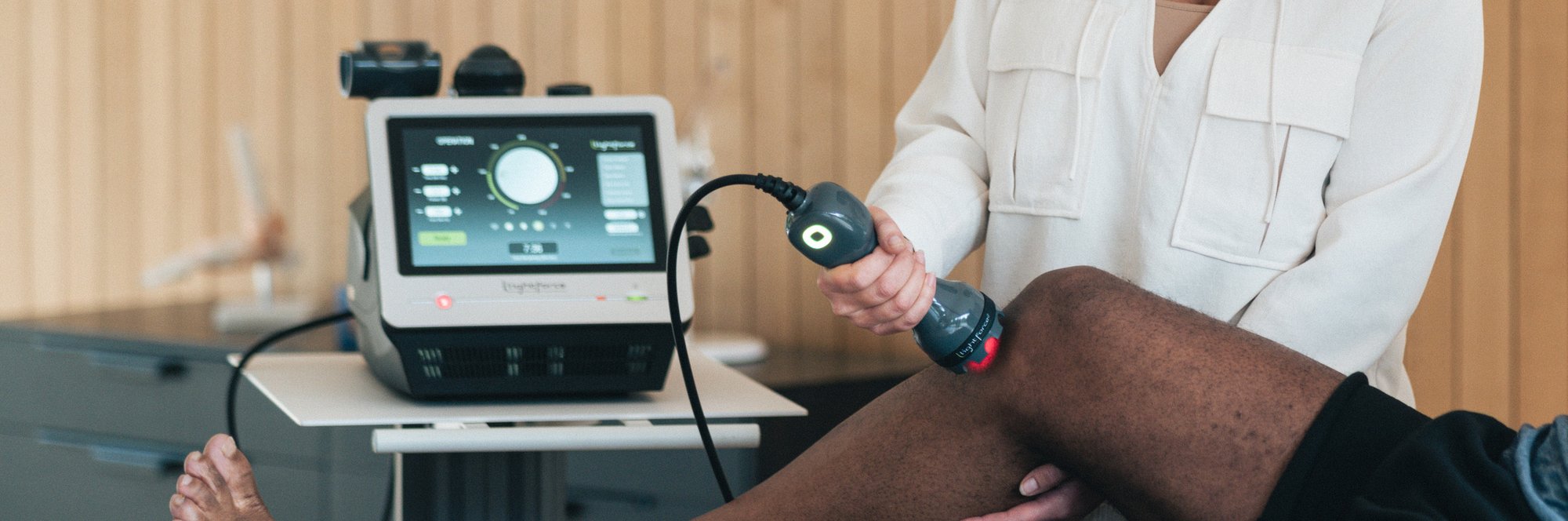
Rehab isn't one size fits all. Neither is your toolbox.
Different patients present different challenges.
Chattanooga gives rehabilitation professionals access to technologies including LightForce® Therapy Lasers, shockwave therapy, electrical stimulation, and other rehabilitation solutions designed to support clinicians across a range of musculoskeletal applications.
About Kevin Wilk
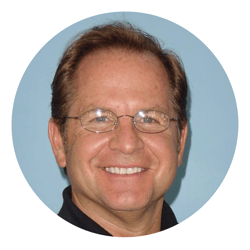
Kevin Wilk has spent more than four decades in sports physical therapy and has worked extensively alongside leading orthopedic surgeons, including Dr. James Andrews and the Andrews Sports Medicine team.
Kevin Wilk has spent more than four decades in sports physical therapy and has worked extensively alongside leading orthopedic surgeons, including Dr. James Andrews and the Andrews Sports Medicine team.
An APTA Sports Medicine Hall of Fame member, Kevin brings the perspective of a clinician who has seen thousands of ACL patients across the rehabilitation continuum, from the days immediately following surgery through return to high level sport.
ONE REGISTRATION GIVES YOU ACCESS TO BOTH SESSIONS.
Why Chattanooga®
Chattanooga® has long been a trusted partner in rehabilitation, supporting clinicians with education, research-driven technologies, and a commitment to clinical excellence. This webinar reflects that mission, empowering providers with accurate information so they can make better decisions for their patients and their practice.
Register now to join this important conversation and learn from leaders shaping the future of rehabilitative care.
Copyright © 2026 DJO, LLC
Individual results may vary. Neither DJO, LLC nor any of the Enovis companies dispense medical advice. The contents of this document do not constitute medical, legal, or any other type of professional advice. Rather, please consult your healthcare professional for information on the courses of treatment, if any, which may be appropriate for you.
The opinions expressed herein are for informational purposes only. They are not necessarily indicative of the views of any other party. Individual results may vary depending on a variety of patient-specific attributes and related factors.
*Kevin Wilk, PT, DPT, FAPTA is a paid consultant of Enovis.